

Client Success & Measured Impact
What These Results Reflect
Experience at Scale
- $100M+ annual transportation spend managed
- 7,000+ global containers
- 50+ ports across 130+ lanes
- Operator‑led execution, not advisory‑only work
- Decisions designed to be implemented and sustained
- Cost reduction achieved without sacrificing service or scalability

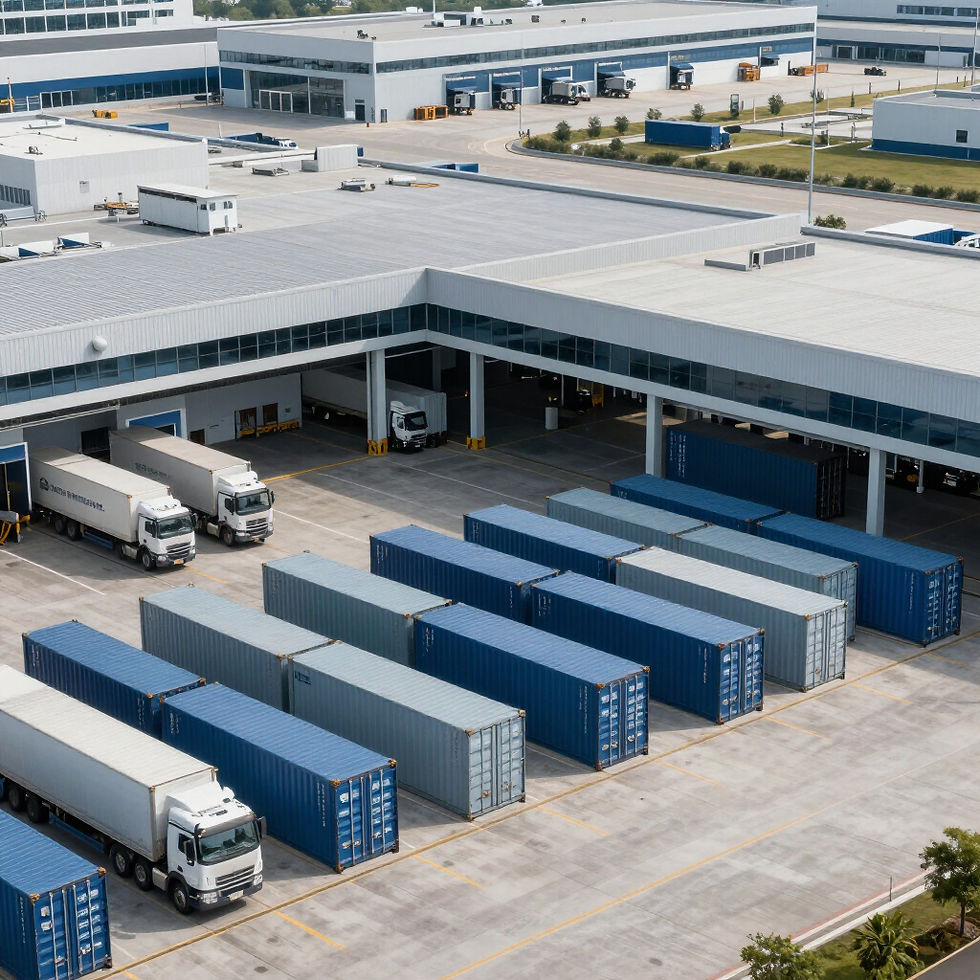
Turning an Aging Network into 7M in Savings
Situation:
A mid-sized IT hardware company with more than $25M in annual transportation spend was operating an aging network that had not been meaningfully redesigned in years. The model relied heavily on a limited carrier mix and rigid routing structures, driving rising costs, excess fixed exposure, and limited pricing leverage—without clear visibility into true lane economics.
Action:
LogisticsHaus Advisors conducted a lane-level cost and utilization analysis, benchmarking the existing model against market alternatives. Rather than a disruptive overhaul, we redesigned the network into a hybrid structure—introducing targeted carrier competition, improving lane density, and shifting cost exposure from fixed to variable pricing. Implementation was phased and actively monitored to protect service levels.
Result:
The redesigned network delivered $7M in annualized transportation savings with no customer service disruption. The client gained improved pricing leverage, reduced risk, and a scalable network aligned with future growth—turning a long-standing cost problem into a sustainable operational advantage.

4.5M in Parcel Savings from Fixing Carrier Sourcing
Situation:
A fast‑growing e‑commerce retailer with over $18M in annual parcel spend lacked a structured approach to carrier sourcing and benchmarking. Parcel rates were rarely tested against the market, carrier decisions were reactive, and leadership had limited visibility into true cost drivers—leading to escalating shipping costs and margin erosion.
Action:
LogisticsHaus Advisors implemented a disciplined, data‑driven parcel carrier sourcing and benchmarking approach. We analyzed parcel shipment history, rate cards, accessorial charges, and service performance, benchmarking incumbent carriers against current market alternatives.
Based on the findings, we restructured the parcel carrier strategy by rationalizing the carrier mix, aligning volume to create leverage, introducing targeted competitive pressure, and establishing clear sourcing rules, performance scorecards, and negotiation guardrails to support ongoing cost control.
Result:
The client eliminated parcel sourcing blind spots and recovered $4.5M in annual parcel transportation savings with no service disruption. More importantly, they gained a repeatable parcel carrier sourcing framework—replacing ad‑hoc decisions with a scalable, cost‑controlled strategy built for e‑commerce growth.
$420K Saved Through AI‑Driven Workflow Automation
Situation:
A mid‑sized transportation company was facing rising operating costs and limited scalability as shipment volumes increased. Core workflows—load intake, tendering, carrier onboarding, document processing, and billing—were heavily manual and reliant on email and spreadsheets. As volume grew, errors, delays, and headcount requirements quietly eroded margins.
Action:
LogisticsHaus Advisors evaluated end‑to‑end transportation workflows to pinpoint repetitive, high‑volume tasks driving labor cost and delays. We implemented AI‑driven workflow automation layered on top of the existing TMS, avoiding system replacement and operational disruption.
Automation focused on standardizing load intake, accelerating tendering, validating carrier compliance, and automating document ingestion and billing exceptions. Workflow rules and alerts replaced manual follow‑ups, while simple dashboards improved visibility into cycle times and bottlenecks.
Result:
The company reduced manual workload, avoided incremental headcount, and improved operational consistency—delivering $420K in annual cost savings. Just as importantly, leadership gained scalable workflows that supported growth without increasing fixed operating costs.

Optimizing the Network to Serve the Southeast
Situation:
A national shipper with distribution centers in Los Angeles and Pennsylvania was struggling to serve customers in the Southeast—a region representing nearly 40% of total demand. Long transit times, heavy reliance on LTL shipments, and rising transportation costs were driving declining service levels. Leadership lacked a clear roadmap for how the transportation network should evolve to support regional growth while controlling cost‑to‑serve.
Action:
LogisticsHaus Advisors developed a transportation strategy roadmap to align the client’s network with current demand and future growth in the Southeast. We analyzed freight flows, customer geography, and lane economics to evaluate multiple strategic options, ultimately identifying Atlanta as the optimal regional hub.
The roadmap outlined a phased approach that included implementing a 3PL‑based distribution model, repositioning inventory closer to demand, and transitioning from LTL to truckload replenishment. Each phase balanced cost, service, and scalability to ensure changes could be executed without disrupting operations.
Result:
The strategy roadmap enabled the client to reduce delivery times to 1–2 days, improve on‑time performance by over 25%, and lower Southeast transportation costs by up to 18%. More importantly, leadership gained a clear, executable transportation strategy that improved service today while providing a scalable platform to support continued expansion in the region.

Eliminating Hidden Transportation Cost Drivers
Situation:
A manufacturer with production facilities in Missouri and Southern California was experiencing rising transportation costs and inconsistent transit performance. Heavy reliance on LTL, fragmented lane structures, and poor utilization across regions were driving margin pressure and service variability, with limited visibility into the root causes of excess spending.
Action:
LogisticsHaus Advisors conducted a transportation cost reduction analysis to identify structural drivers inflating freight spend. We evaluated freight flows, mode mix, lane balance, and utilization to pinpoint inefficiencies created by overusing LTL and underutilizing longer‑haul opportunities.
Based on the findings, we restructured lane configurations, shifted appropriate volume from LTL to consolidated and truckload moves, introduced routing guidelines to improve consistency, and leveraged backhaul opportunities between Missouri and California to improve asset utilization and reduce empty miles.
Result:
The client reduced total transportation spending by 13%, improved transit reliability, and established a more predictable, scalable freight model. By addressing the underlying cost drivers—not just negotiating rates—the organization regained control of transportation spend while supporting more efficient nationwide distribution.

“
LogisticsHaus transformed our global distribution strategy, reducing overhead by 22% while significantly improving supply chain resilience across five continents.
— Chief Operations Officer, Global Retail Group